
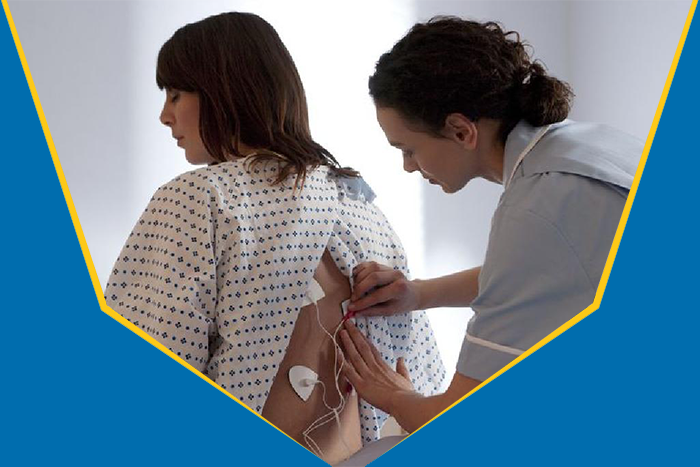
TENS . transcutaneous electrical nerve stimulation
Transcutaneous Electrical Nerve Stimulation (TENS) is a method used to relieve pain. As the name suggests, it involves applying an electrical current to the affected area through a number of electrodes that are attached to the skin.
How TENS Works
This technique relieves pain mainly by stimulating the pain gate mechanism. When tissues are damaged, the nerve fibers in the painful area become increasingly excited and sensitive, leading to a heightened perception of pain. However, the same area also contains a number of mechanoreceptors that respond to touch. Stimulating these nerve fibers can override pain impulses from that area—this is known as the pain gate mechanism.
These receptors can be stimulated by electrical current at specific frequencies (usually 90–130 Hz), as delivered by a TENS device, which in turn produces a pain-relieving effect.
Use of TENS
TENS is a very common method for pain relief. It is relatively inexpensive, easy to use, and has minimal side effects compared with some orally taken painkillers. It is believed that this method can relieve pain in approximately 70% of cases involving acute injuries.
Application of TENS
TENS devices can now be easily purchased from specialized retailers and are simple to apply, although some care is required. A small percentage of patients may be sensitive to the conductive material, the electrodes themselves, or the adhesive tape used to secure them in place.
Most modern devices come with self-adhesive electrodes that can be replaced after each use to reduce the risk of infection if the device is used by more than one person. Since each patient’s symptoms vary, the settings on the TENS unit must be adjusted individually. It is always recommended to follow the instructions provided with the device or seek professional advice.
TENS devices usually have three main adjustable settings:
Frequency
Most devices offer frequencies ranging from 2–200 Hz. To stimulate mechanoreceptors, the frequency should typically be between 90 and 130 Hz.
Intensity
The current intensity can also be adjusted. Most devices are capable of reaching intensities between 80 and 100 milliamps.
Pulse Width
This setting controls the duration of time the electrical current passes through the electrodes. Many professionals place less emphasis on this setting compared to intensity and frequency, and some devices do not even include this control.
Does a TENS Device Cause Pain?
TENS devices should not cause discomfort, although a person may feel a mild tingling sensation when the device is operating. Again, because settings vary from person to person, proper adjustment is essential to achieve the best effect.
Electrode Placement
As with the settings above, electrode placement can be adjusted in response to the individual’s symptoms. Typically, electrodes are placed on either side of the painful area, but many variations exist. Some practitioners focus on targeting a peripheral nerve or a specific trigger point.
Precautions
Caution should be taken in the following cases:
If the skin in the area has abnormal sensation
If the patient suffers from epilepsy
When using TENS with children, as growth areas may be affected by electrical current
If the patient is pregnant, professional advice should be sought
Contraindications (Do NOT use TENS in the following cases):
Patients with pacemakers
Patients allergic to the electrodes, gel, or adhesive tape
Patients with skin conditions such as eczema
Patients with open wounds in the treatment area
Patients with circulatory problems
Application over the neck or upper trunk area